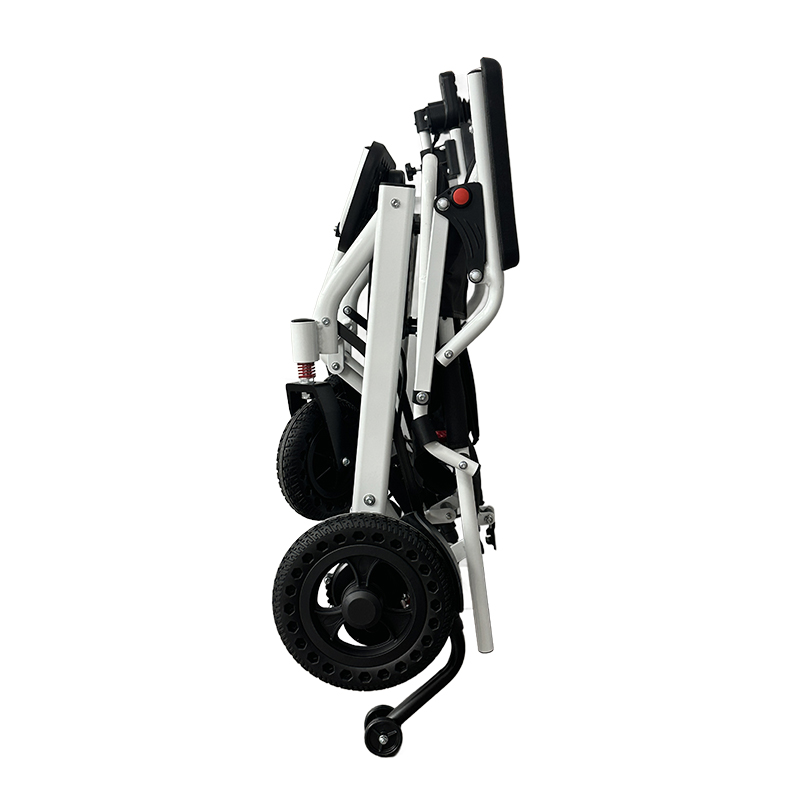


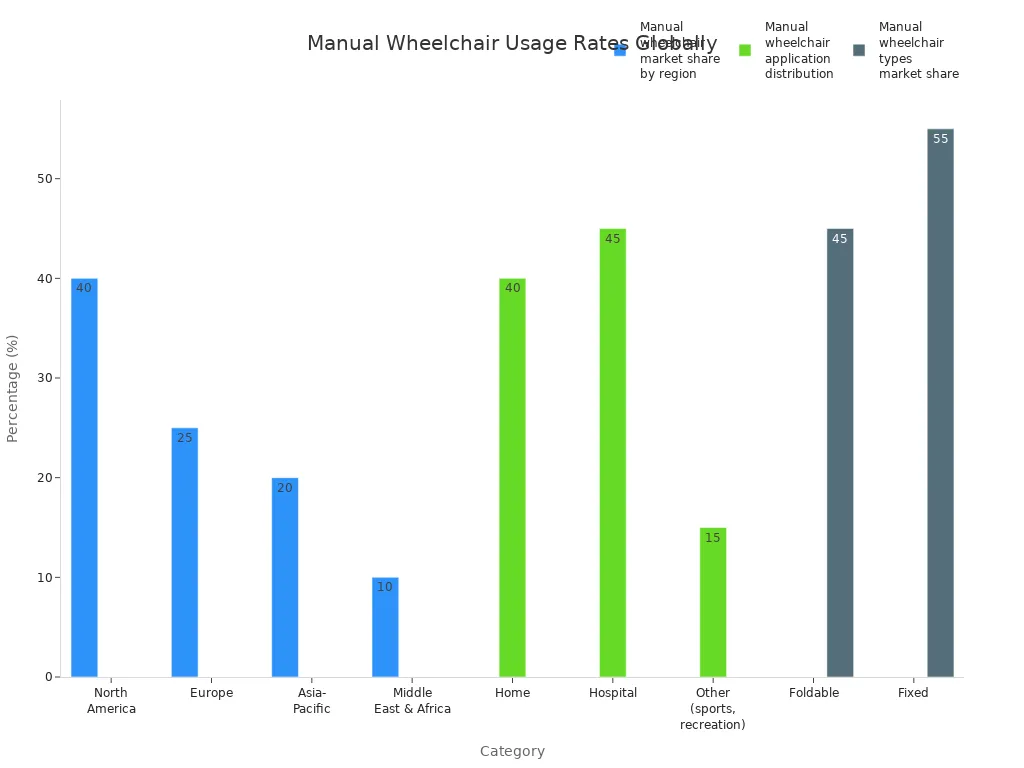
You may wonder whether motorized wheel chairs or manual wheelchairs are better suited for you. Motorized wheel chairs offer greater freedom and are easier to operate, especially on rough or bumpy terrain. On the other hand, manual wheelchairs remain popular because they are more affordable and lightweight for carrying. Many individuals, including older adults and stroke survivors, choose manual wheelchairs for everyday use. Check out this chart to see how manual wheelchairs dominate in usage:
If you’re looking for added comfort, advanced features, or need to travel longer distances, a motor wheelchair might be the better option. Yveelt is here to help you find the perfect motorized wheel chairs or motor wheelchair to fit your lifestyle and needs.
Key Takeaways
- Motorized wheelchairs give you more freedom. They do not need much physical work. They are good for people with little strength. They also help people who go far often.
- Manual wheelchairs are light and cost less. They are simple to move from place to place. They help users stay active and strong. You move them by pushing yourself.
- Think about what you do every day. Also think about your strength and how much you travel. This helps you pick between motorized and manual wheelchairs.
- Motorized wheelchairs must be charged often. They also need more care. Manual wheelchairs are easier and cheaper to take care of.
- Always try many models before you choose. Talk to a healthcare professional for advice. This helps you find a wheelchair that fits your body and life. It should also feel comfortable.
Motorized Wheel Chairs
Features
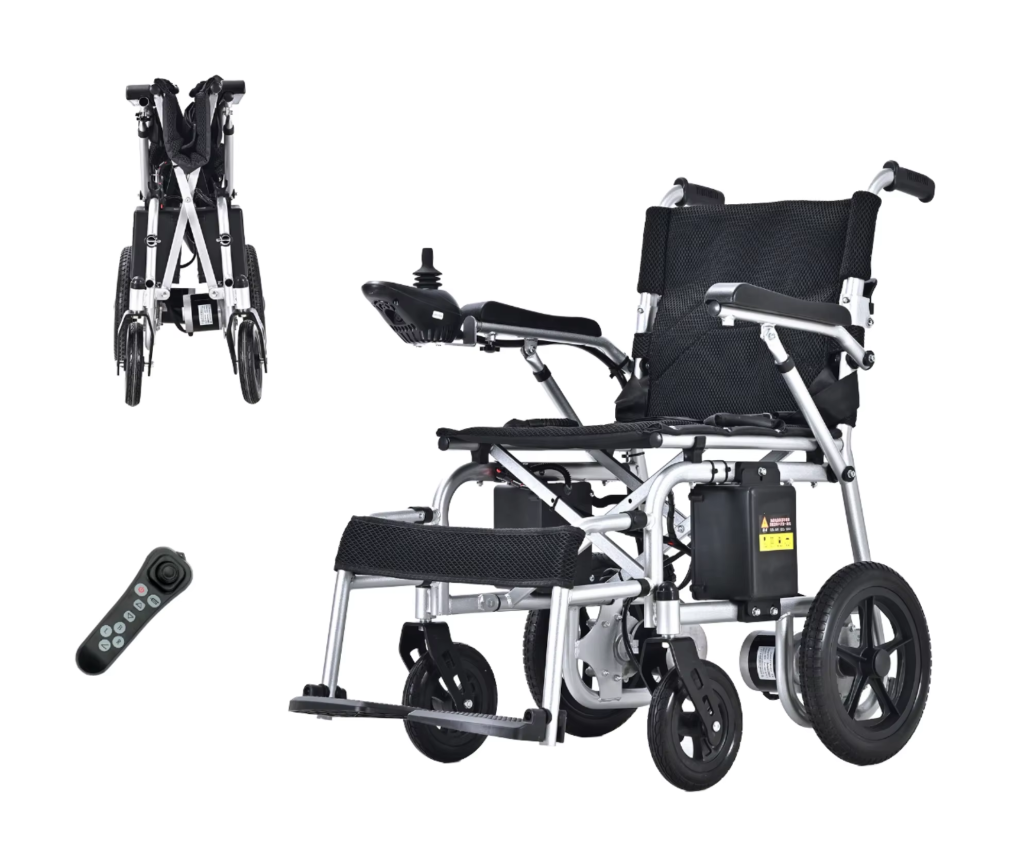
Modern motorized wheel chairs have many helpful features. Some common ones include:
- Safety systems like anti-tip wheels, seat belts, and emergency stop buttons
- Adjustable seating, backrests, headrests, and armrests for comfort
- Long-lasting batteries, often lithium-ion, for extended travel
- Easy-to-use controls such as joysticks, touchpads, or even head arrays
- Strong frames made from aluminum or steel for durability
- Smart technology, including mobile app connectivity, GPS, and obstacle avoidance
- Different models for indoor, outdoor, travel, or all-terrain use
Some motorized wheel chairs can fold or come apart for easy moving. Many brands, like Yveelt, work to make these features simple and dependable.
Pros
Motorized wheel chairs help you be more independent. You do not need strong arms to use them. They are good for people with limited movement. The controls are easy to use. You just move a joystick or press a button. You can go far without getting tired. Rough ground like gravel or grass is easier to cross. Some chairs have suspension and bigger wheels, so you can go almost anywhere. If you want more freedom and less work, these chairs are a smart pick.
Tip: If you like going outside or need to move around a big school, a motorized wheelchair can help you a lot.
Cons
Motorized wheel chairs have some downsides. They are heavier and bigger than manual chairs. This makes them hard to lift or fit in a car. You need to charge the battery often. If the battery dies, you might get stuck. These chairs cost more at first and may need more repairs later. Some people have problems with warranties or returns, especially from other sellers. Always look at details like battery life and chair size to make sure it works for you and your home.
Manual Wheelchairs

Features
Manual wheelchairs have many features to help you every day. Some models have special hand rims. These rims make it easier on your hands and wrists. The frames are light, so you can move or lift the chair easily. Many chairs fold up. This helps you store them in small spaces or take them on the bus. You can adjust the seat, back, and leg rests for comfort. Some seats have soft cushions. These cushions help stop pressure sores and keep you comfy all day.
Here’s a quick look at what you might find:
| Feature Category | Key Features and Benefits |
|---|---|
| Basic Design | Large rear wheels for self-propulsion; small front casters for turning |
| Propulsion | Self-propelled or pushed by a caregiver |
| Frame Style | Folding cross-brace design for easy storage |
| Materials | Steel (strong), aluminum (lightweight), titanium (ultralight) |
| Adjustability | Customizable armrests, leg rests, and backrests |
| Comfort Features | Cushioned, ergonomic seating |
| Popularity Reason | Lightweight, foldable, and easy to use |
Yveelt has many manual wheelchairs. You can choose one that fits your needs and feels good to use.
Pros
Manual wheelchairs let you move on your own. You can go at your own speed and get exercise too. Pushing the chair helps make your arms stronger. It is also good for your heart. Many people feel proud and free when they use a manual chair. These chairs cost less than motorized ones. You do not need to charge any batteries. Most manual wheelchairs fold up. You can put them in a car trunk or take them on a bus or train. This makes it easier to travel.
Tip: Using a manual wheelchair often can help you get stronger, feel happier, and stay active.
Cons
Manual wheelchairs can be hard to use sometimes. You need strong arms and shoulders to push yourself. It is tough to go far or up hills. If your arms hurt or feel weak, it can be hard to use the chair for a long time. Some people get sore shoulders or wrists from pushing a lot. Manual wheelchairs work best on flat, smooth ground. Bumpy ground, steep ramps, or thick carpet make it harder to move. You may need help from others for long trips or when you get tired.
Note: If your arms are not strong or you travel far each day, you may want to look at other choices or talk to an expert about what is best for you.
Comparison
Mobility
Both manual and motorized wheelchairs help you get around. Manual wheelchairs are easy to use in small spaces. You can turn quickly and fit through doors. If your arms are strong, you can go short distances easily. But you may get tired after a while. Rough ground or long trips can be hard.
Motorized wheelchairs let you travel farther on your own. You use a joystick or buttons to move. You do not need much strength. These chairs can go up to 20 miles before charging. They work well on grass, gravel, or ramps. Motorized wheelchairs are bigger and may not fit everywhere.
Here is a table that shows how both types compare:
| Factor | Manual Wheelchairs | Power (Electric) Wheelchairs |
|---|---|---|
| Weight | Lightweight (15–40 lbs), foldable | Heavier (50–250 lbs), less portable |
| Propulsion | User or caregiver powered | Motorized with joystick control |
| Mobility Range | Limited by user stamina, best indoors | 8–20 miles range, slower speed (4–6 mph) |
| Terrain Capability | Best on smooth surfaces | Can handle some outdoor terrain, limited ground clearance |
| Comfort | Basic cushioned seats, no suspension | Offers tilt, recline, pressure-relieving seats |
| Safety | User or caregiver brakes, risk of tipping | Automatic brakes, stable with low center of gravity |
| Ideal Users | Users with sufficient upper body strength | Users with limited strength or dexterity, medical needs |
| Use Case | Indoor use, accessible environments | Indoor and some outdoor use, medical conditions requiring support |
Tip: If you want to go outside or travel far, a motorized wheelchair from Yveelt can help you.
Cost
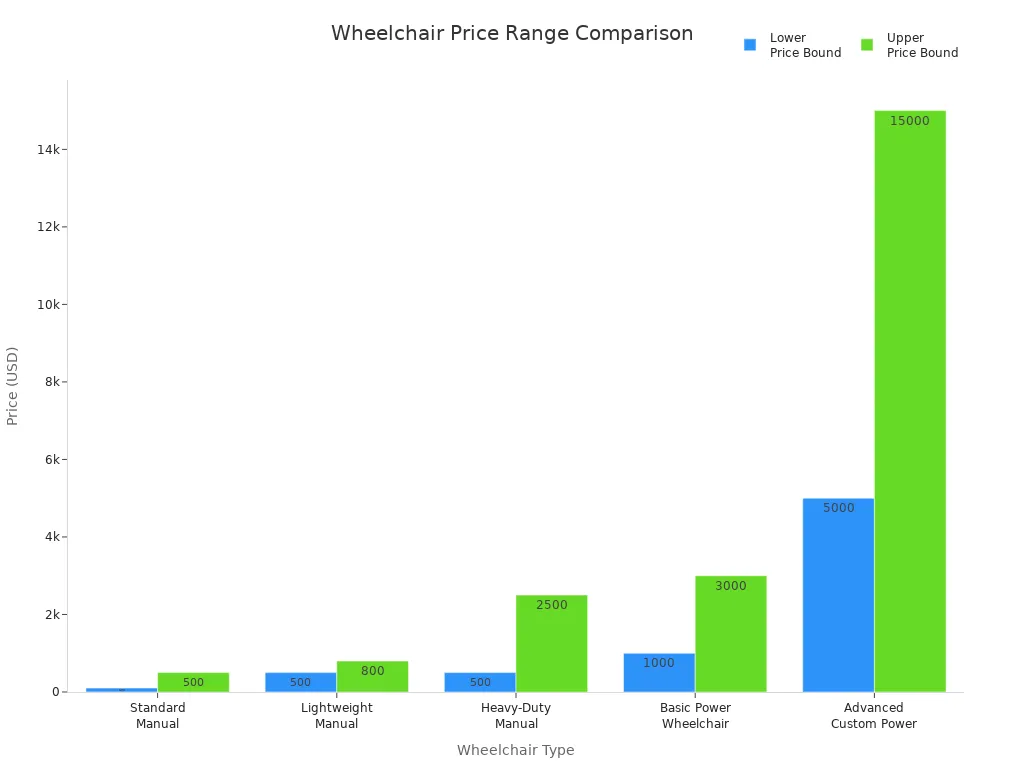
Manual wheelchairs cost less than motorized ones. Basic manual chairs start at about $100. Even fancy models rarely cost more than $2,500. This makes them good for people who want to save money.
Motorized wheelchairs are more expensive. Basic models start at $1,000. Some advanced chairs can cost $15,000 or more. Insurance might help pay if you need a motorized chair for health reasons. You should plan for higher costs and extra money for batteries or repairs.
Here is a table with price ranges:
| Wheelchair Type | Average Price Range | Description/Notes |
|---|---|---|
| Standard Manual | $100 – $500 | Basic, durable manual wheelchairs |
| Lightweight Manual | $500 – $800 | Easier to propel, more portable |
| Heavy-Duty Manual | $500 – $2,500 | Reinforced for higher weight capacity |
| Basic Power Wheelchair | $1,000 – $3,000 | Entry-level motorized wheelchairs |
| Advanced Custom Power | $5,000 – $15,000+ | Highly customizable motorized wheelchairs |
Note: Insurance often pays for motorized wheelchairs if you meet certain health rules. Always ask your provider.
Maintenance
Manual wheelchairs are easy to take care of. You can check the tires, tighten bolts, and clean the wheels yourself. Most repairs are simple and cheap. You may need to change hand rims or tires once a year.
Motorized wheelchairs need more care. They have batteries, motors, and electronics. These need regular checks. You may need a professional for repairs. Batteries need replacing every few years. The cost adds up over time. In five years, you will spend more on fixing a motorized chair than a manual one.
Here is a table about maintenance:
| Aspect | Manual Wheelchairs | Motorized Wheelchairs |
|---|---|---|
| Mechanical Complexity | Simple mechanical systems | Complex electronic systems |
| Maintenance Needs | Mostly DIY repairs, easy to maintain | Requires professional servicing and battery upkeep |
| Failure Proneness | Fewer components that can fail | More prone to electronic failures |
| Environmental Sensitivity | Generally robust | Weather-sensitive components needing extra care |
| Maintenance Cost Trend | Lower maintenance costs over time | Higher maintenance costs over a five-year period |
Tip: Taking care of your wheelchair keeps it safe and working well. Yveelt can help with both manual and motorized wheelchairs.
Transport
Manual wheelchairs are easy to move when you travel. You can fold them and put them in a car trunk or take them on a bus. Airlines let you bring manual chairs into the cabin if they fit. You can take off the wheels or footrests to make them smaller.
Motorized wheelchairs are heavy and large. You need a ramp or lift to put them in a car or van. Airlines store them in the cargo hold. You must turn off the power and sometimes remove the battery. Getting a motorized chair ready for travel takes more time and planning.
Here is a table about transport:
| Aspect | Manual Wheelchairs | Motorized (Power) Wheelchairs |
|---|---|---|
| Cabin Access | Allowed in cabin if collapsible and fits in wheelchair closet or stowed by seat-strapping method | Not allowed in passenger cabin due to size and weight |
| Storage Location | Wheelchair closet onboard or cargo hold if too large; detachable parts stored in cabin | Must be stowed in cargo hold |
| Fees | No extra fees for transport | No extra fees for transport (prohibited by U.S. Department of Transportation) |
| Boarding Assistance | Not specifically required | Provided aisle chair for boarding and moving inside plane; priority boarding for disabled passengers |
| Return of Wheelchair | Returned promptly, preferably near aircraft door | Returned fully assembled and in same condition near aircraft door |
Note: Always tell the airline about your wheelchair before you fly. Bring instructions for handling and putting it together.
Physical Effort
Manual wheelchairs give you exercise. You use your arms and shoulders to move. This builds strength and helps your heart. But you can get tired fast, especially on hills or rough ground. Using a manual chair for a long time may hurt your shoulders or wrists.
Motorized wheelchairs do not need much effort. You use a joystick or buttons to move. This is good if your arms are weak or you get tired easily. You can go farther without getting worn out. But you will not get as much exercise. You may need to watch your fitness.
Here is a table about physical effort:
| Aspect | Manual Wheelchairs | Electric (Motorized) Wheelchairs |
|---|---|---|
| Energy Expenditure | Burns 190-400 kcal/hour (similar to brisk walking) | Burns 25-50 kcal/hour (joystick operation) |
| Mobility Range | ~1.2 miles/day (with able-bodied pusher), fatigue after ~45 min | ~8.7 miles per charge, limited by battery life |
| Shoulder Joint Impact | 73% higher rotator cuff injury rates (Mayo Clinic 2024) | Reduces upper body strain by 89% |
Tip: If you want to stay active, a manual wheelchair helps you exercise. If you need to save energy, a motorized wheelchair is a better choice.
Choosing the Right Wheelchair
Physical Needs
You want a wheelchair that matches your body and health. Think about your strength, coordination, and how much help you need. If you have strong arms, a manual wheelchair might work well. If you get tired easily or have trouble moving, motorized wheel chairs can help you stay independent. Always look for comfort features like soft cushions, adjustable seats, and safety belts. Make sure the chair fits your size and shape. You should talk to a physical or occupational therapist. They can help you find a wheelchair that supports your posture and keeps you safe.
- Check your daily routine and where you use the chair most.
- Pick a chair that fits your body and feels comfortable.
- Look for safety features and easy-to-use controls.
- Ask a healthcare professional for advice.
Lifestyle
Your daily life matters when choosing a wheelchair. Do you go outside often? Do you travel long distances or stay indoors? If you want to join social events, work, or play sports, you need a chair that fits your activities. Manual wheelchairs are great for short trips and exercise. Power wheelchairs help if you need to save energy or move over rough ground. Think about your home and community. Is there enough space to turn and move? Yveelt offers many options for different lifestyles.
- Consider how much independence you want.
- Think about your hobbies and work.
- Check if your home and community are easy to move around in.
Budget
Wheelchairs cost different amounts. Manual wheelchairs are usually cheaper. Power wheelchairs cost more and need regular care. You can save money by looking for used chairs or rentals. Some programs like Medicare or Medicaid help pay for wheelchairs. Charities and thrift shops also offer affordable choices. Always check the warranty and support before you buy.
- Look for financial aid or insurance.
- Compare prices and features.
- Ask about after-sales support.
Transport Needs
Moving your wheelchair should be easy. Manual wheelchairs fold up and fit in cars. Lightweight models are best for travel. Power wheelchairs need ramps or lifts and take up more space. Make sure your vehicle can carry your chair. Safety during transport is important. Use seat belts and secure restraints.
| Wheelchair Type | Portability | Best For |
|---|---|---|
| Standard Manual | Folds, easy to lift | Everyday use |
| Lightweight Manual | Very portable | Travel and outings |
| Transport Wheelchair | Compact, light | Short trips, caregivers |
| Power Wheelchair | Heavy, needs ramp | Long distances, outdoor |
Preferences
Your choice should feel right for you. Pick a wheelchair that matches your style and comfort. Try different models if you can. Think about color, seat material, and extra features. Your happiness matters. Yveelt has many designs to fit your taste.
Tip: Always ask a professional for help before you decide. Your needs and comfort come first.
Picking a manual or motorized wheelchair depends on what you need and how you live. Manual wheelchairs are easy to carry and help you stay active. Power chairs are more comfortable and let you go farther by yourself. Experts have some tips for you:
- Think about what you do each day and where you use your chair.
- Try out different chairs and talk to an expert for help.
- See if you have enough strength and energy.
- Think about your house and how you travel.
- Look at how much each chair costs and how hard it is to take care of. 4. Think about how many hours you use your chair every day.
- Choose the chair that makes you feel sure and free.
Remember, Yveelt can help you pick a wheelchair that fits your needs. The best chair is the one that works well for you.
FAQ
Can you use a manual wheelchair if you have weak arms?
You might find it hard to use a manual wheelchair if your arms feel weak. You could get tired quickly. A motorized wheelchair or a lightweight manual chair from Yveelt can help you move with less effort.
How long does a motorized wheelchair battery last?
Most batteries last 8 to 20 miles on a full charge. You should charge your chair every night. If you travel a lot, ask Yveelt about models with longer battery life.
Are manual wheelchairs allowed on airplanes?
Yes, you can bring a manual wheelchair on most flights. Airlines let you keep it until you board. They store it safely during the flight and return it when you land.
What should you look for when choosing a wheelchair?
Think about your daily routine, strength, and where you go most. Try different chairs if you can. Yveelt offers many options, so you can find one that fits your needs and style.es. But many wheelchairs are not set up the best way, which makes people tired and less independent.